
User Experience
Strategy + Delivery
I partner with founders and product leaders to turn customer behavior into clear, actionable product decisions.
-
Customer behavior informs adoption, friction, and product decision making.
Lightweight research and real world workflow analysis reveal where customers get stuck, what they value most, and what is slowing progress. This helps teams prioritize the right problems, make clear product decisions, and move forward with confidence.
-
Clear problem framing helps teams focus on the decisions that matter most.
Synthesis of customer behavior and feedback makes pain points visible, creating shared understanding and giving teams a clear map to move forward without assumptions or competing interpretations.
-
Effective iteration builds on what is already working, rather than defaulting to large redesigns.
Targeted improvements focus on specific workflows and interactions, helping teams prioritize what to improve next and increase clarity, usability, and time to value while preserving existing strengths.
-
Early usability testing reduces rework and prevents costly product missteps by surfacing issues before launch.
Rapid feedback highlights breakdowns in workflows and interactions while changes are still small, fast, and inexpensive to address.
-
Ongoing, embedded support provides clear guidance and decision support as priorities evolve.
This often includes lightweight research, collaborative design thinking, and hands on help that enables teams to move faster as new questions emerge.

My work in practice
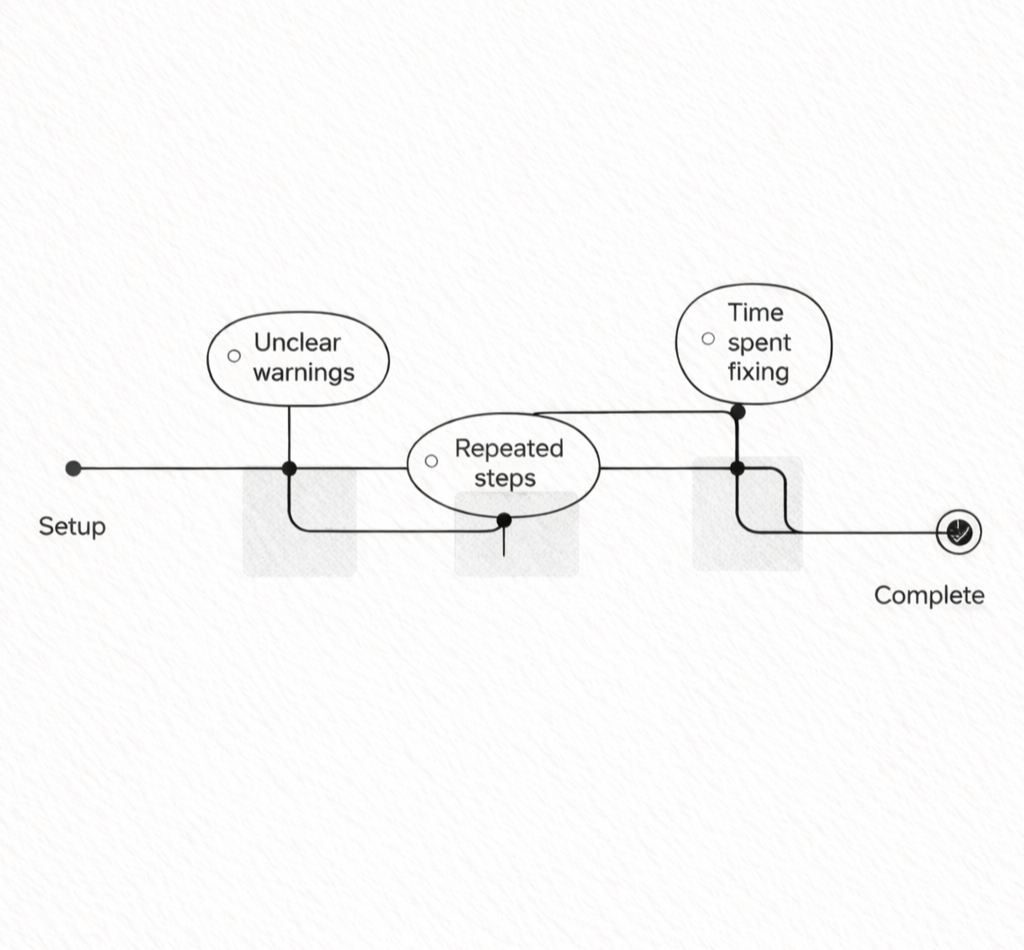
Understand how customers work
Teams often build products that make sense on paper but break down in real-world use.
I examine how work actually happens to surface hidden friction, mismatched assumptions, and moments where users disengage, enabling teams to make informed changes instead of guessing.
Align teams around the problem
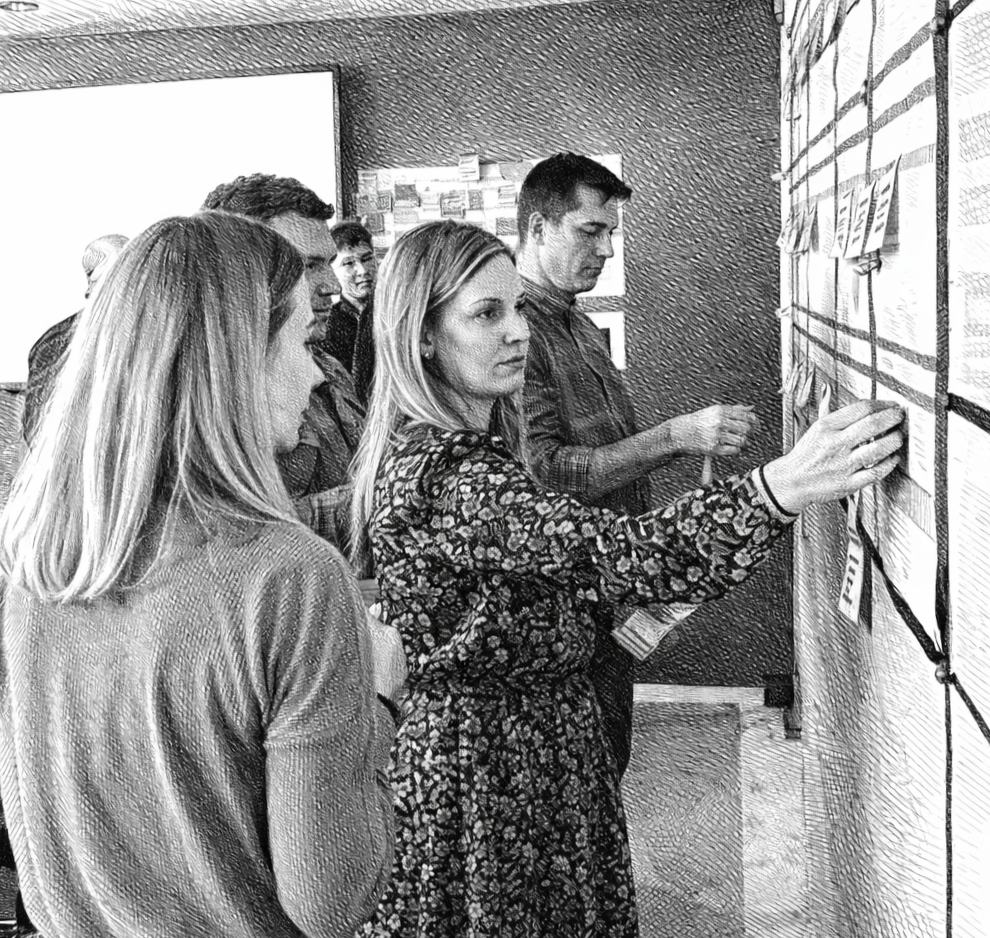
Misalignment creates friction, delays decisions, and leads teams to solve the wrong things.
Founders, product, and design align on the core problem, key tradeoffs, and next focus areas, so decisions hold and momentum builds.
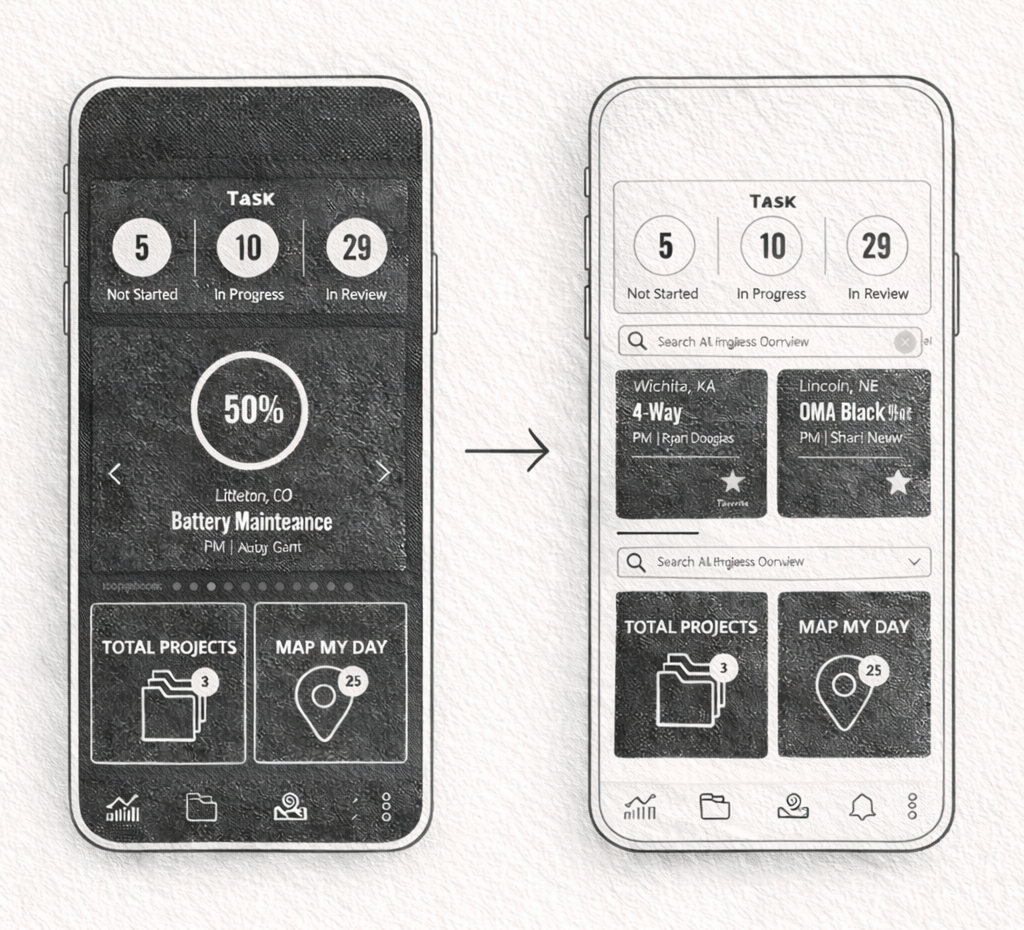
Inform confident iteration
When something is working but falling short, the question becomes how to evolve it without unnecessary complexity.
Customer insight surfaces what to preserve, where friction remains, and how to iterate intentionally rather than reactively.
AI in Practice, Not Theory ->
Reduce risk before building more
Validating direction early saves time and money.
Usability testing and lightweight research surface issues before decisions solidify, allowing teams to adjust course based on evidence and focus effort where it will have the greatest impact.